Understanding the causes
Forest fires impact all species, including squirrels. While they can be naturally occurring, the increase of forest fires in recent years is not. Climate change, fuel accumulation, and human impact have contributed to this increase.
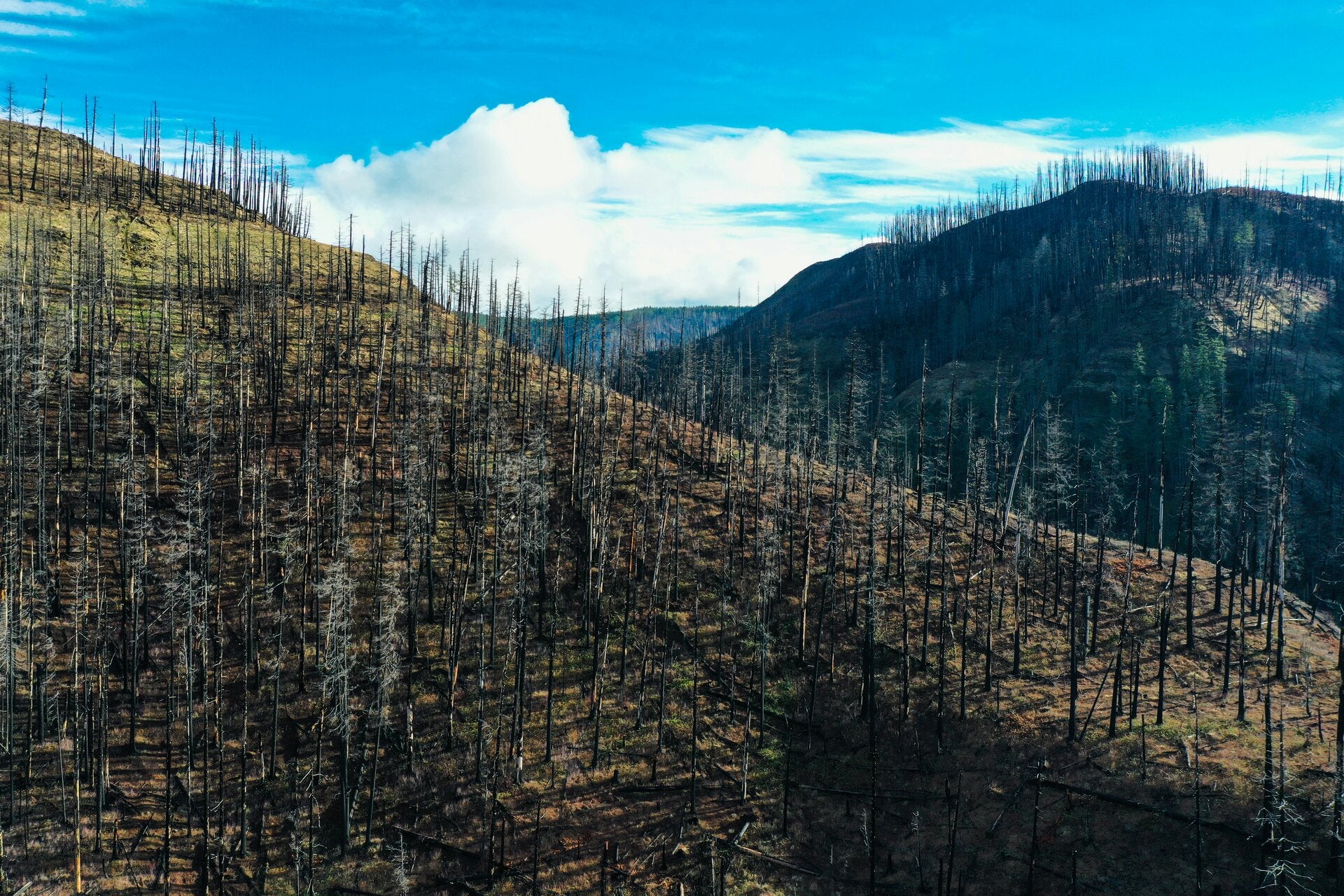
The impact of climate change
Climate change is a significant factor in the increasing frequency and intensity of forest fires. Rising temperatures, prolonged droughts, and altered weather patterns create conditions that are more conducive to wildfires. This increases fuel aridity which is the dryness of vegitation. These changes not only affect the immediate environment but also have long-term consequences for squirrel populations and their habitats.

Fuel accumulation
The accumulation of dry leaves, branches, and other organic materials on the forest floor serves as fuel for wildfires. Intentional burning of forest which was started to help decrease fires has only increased fuel accumulation. By burning the forest more dry leaves and branches fall and accumulate. This fuel load can build up over time, increasing the risk of a fire starting and spreading rapidly.

Human impact
Human activities are a leading cause of forest fires. Careless behavior, such as improperly discarded cigarettes, unattended campfires, and the use of fireworks, can easily ignite dry vegetation and start a wildfire. Additionally, land development and deforestation can fragment forests, making them more vulnerable to fire. By promoting responsible behavior and implementing stricter regulations, we can reduce the human impact on forest fires and protect squirrel habitats.
Create Your Own Website With Webador